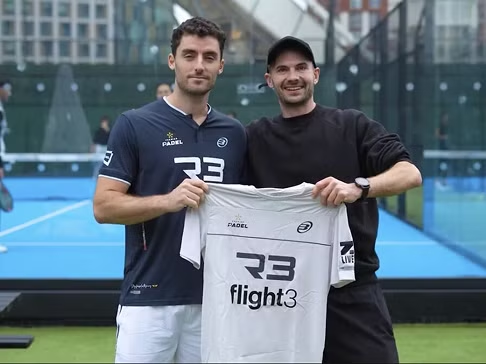






Why Frontier Tech and AI Brands Are Going Physical in 2026

When everything lives online, the brands building the future are increasingly choosing to show up in the real world.
The most digital companies in the world are going physical again, and it’s not by accident.
AI companies, frontier tech platforms, and fintech brands that were built entirely online are now investing in real-world spaces, activations and campaigns in a way that feels deliberate rather than experimental. Not because it’s new. Because it works.
When everything is digital, physical presence becomes a signal that carries more weight than it used to. And importantly, it’s much harder to fake.
What’s changed in 2026
For the past few years, frontier tech marketing has been almost entirely digital, highly targeted and performance led. This worked… until everything started to look the same.
The landscape now is very different:
- digital channels are saturated
- AI content is flattening differentiation
- trust in online content is declining
So the companies building the future are moving into environments where presence is tangible and impact is harder to ignore.
Why AI and frontier tech brands are going physical
There are three clear reasons this shift is happening:
- Digital saturation: Everything is online, which means very little stands out anymore.
- AI normalisation: Everything now looks “good enough,” making it harder to feel distinctive or memorable.
- Trust deficit: People trust what they can see, touch, and experience more than what they scroll past.
Examples of AI and tech brands going physical:
1. Coinbase / Stand With Crypto: UK activation
.png)
A policy message taken out of the feed and into the real world.
- Free donuts across London.
- A van driving through the city.
- 85,000 people signing a petition for UK leadership in stablecoin innovation.
Then those 85,000 voices were put on the side of the van and driven past the Chancellor’s office. Hard to ignore.
Takeaway: participation drives more impact than passive awareness.
2. Claude / Anthropic: NYC pop-up

A physical space designed to interact with AI in a way that feels noticeably more human. Soft lighting, calm environments, and an anti-tech aesthetic that avoids the usual “future” clichés. It’s less about showcasing capability and more about making something abstract feel understandable.
Takeaway: even the most advanced AI needs a human interface to build trust.
3. Perplexity: Seoul café
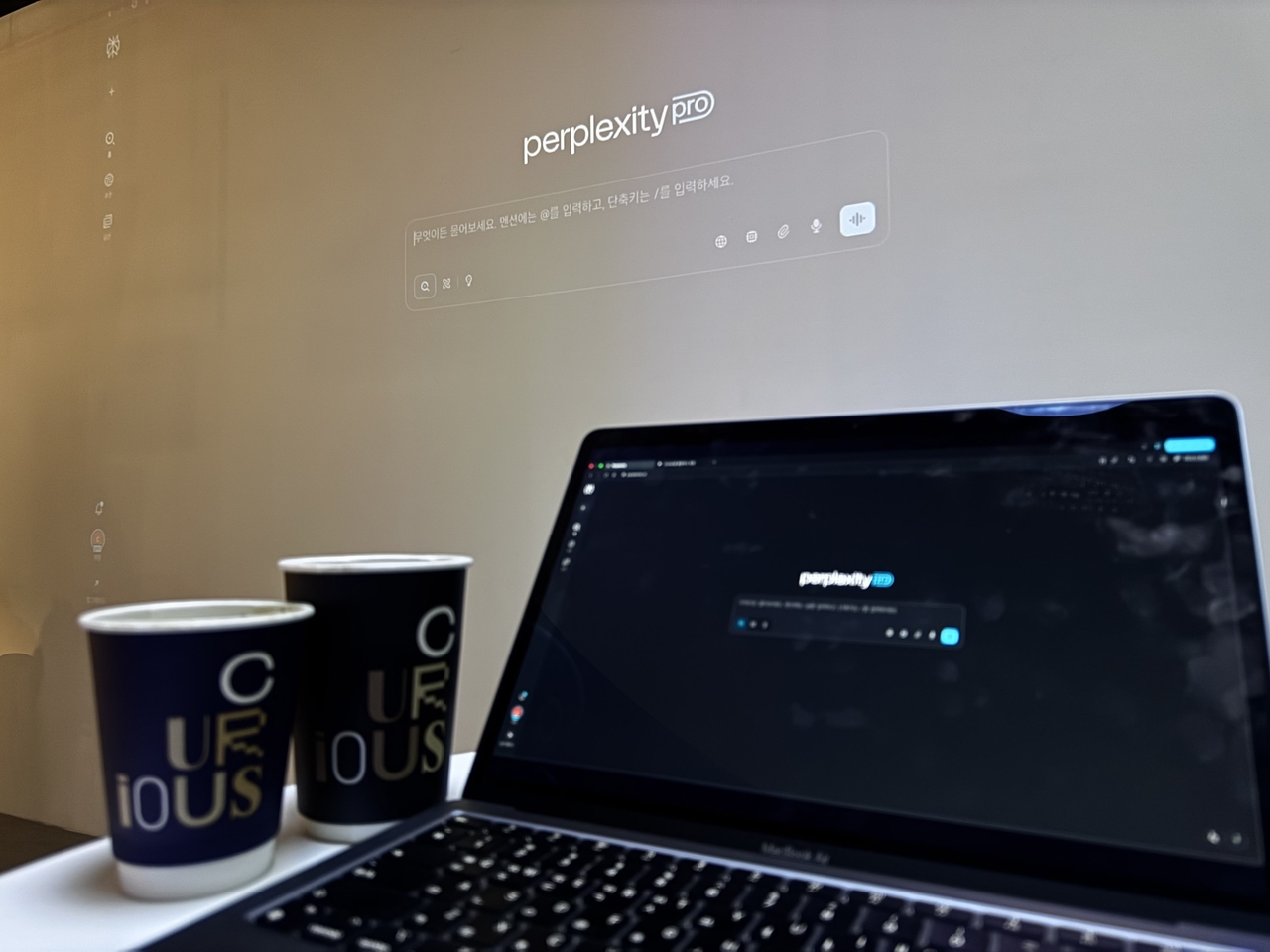
A branded café experience built around a search product. No aggressive messaging, no hard sell. Just a space where people can engage with the brand in a different context. It’s product discovery through environment, not UI.
Takeaway: even utility products are becoming experiential brands.
4. Pinterest: IRL Coachella activation
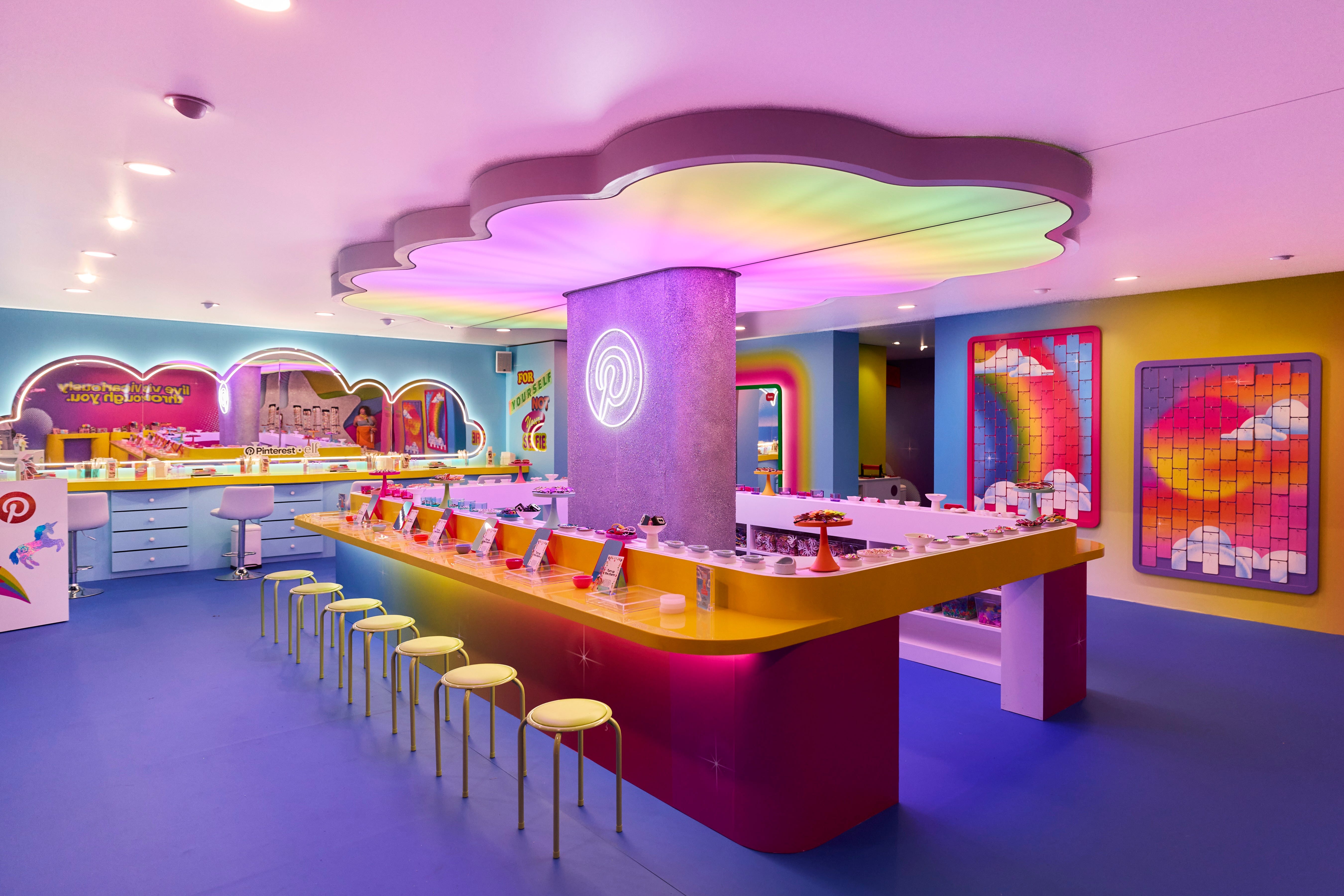
A phone-free, real-world experience designed for creators. Less about capturing content, more about being present. Built for memory (not metrics for once!)
Takeaway: real-world experience is becoming a key differentiator in an AI-heavy environment.
5. National Crypto Association's: Crypto Confessions
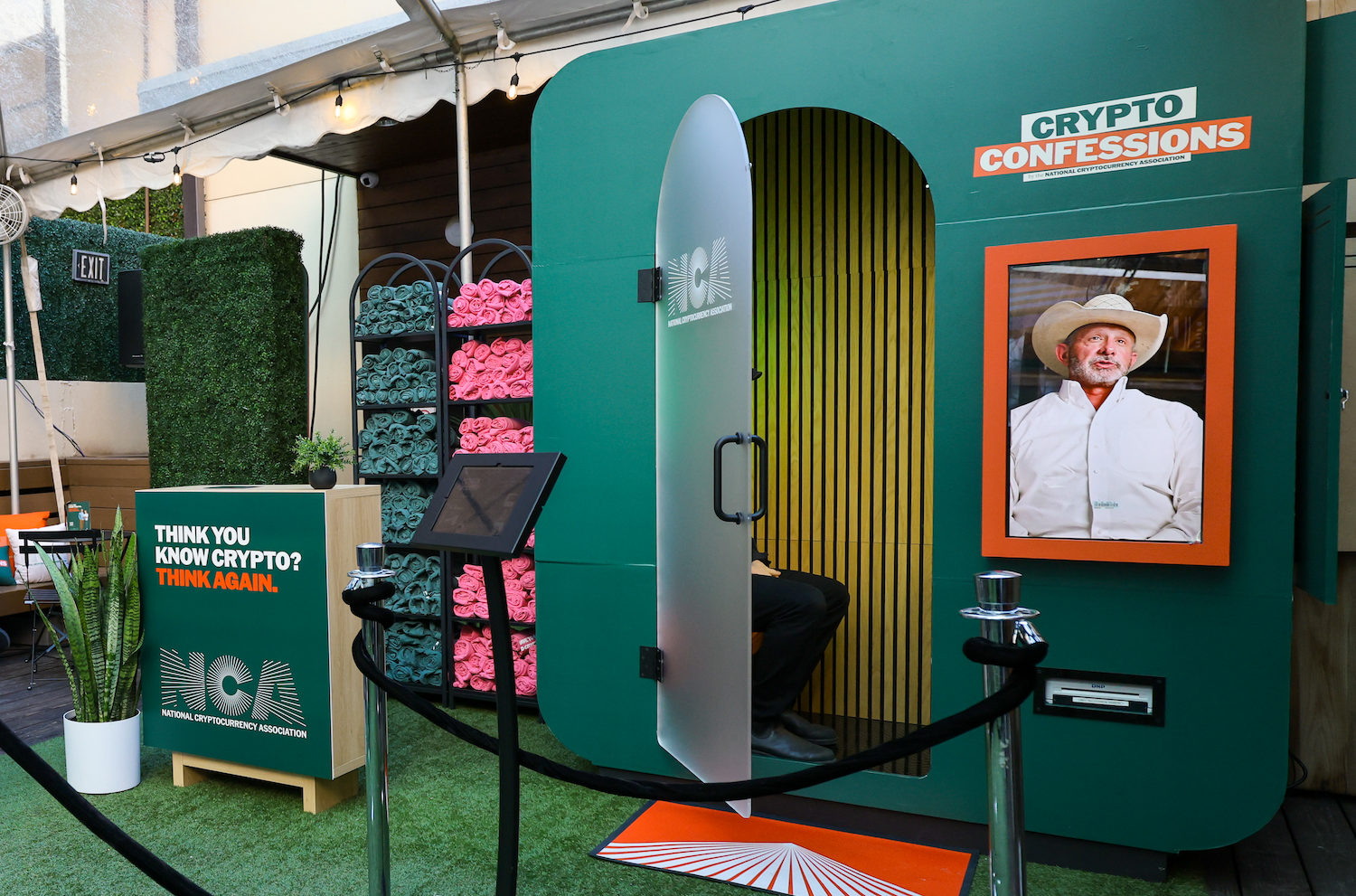
A real-world activation designed to capture something human rather than overly polished. At Consensus and SXSW, the National Crypto Association invited people to anonymously share their real stories about crypto on camera: raw and honest takes from inside the industry, recorded and turned into social content in real time. Less corporate messaging, more raw perspective.
Takeaway: in an AI-heavy content landscape, honesty and participation cut through faster than polish.
What this means for marketers in 2026
This doesn’t mean every brand should open a café or launch a phone-free event. It does mean rethinking how and where your brand shows up though:
- Think beyond the feed
- Design for presence (think beyond just reach)
- Create things people experience
Because the question has changed. It’s no longer: “How do we get more impressions? It’s: “Where do we show up so we can’t be ignored?”
The future of brand building is physical + digital
The most effective campaigns today don’t choose between online and offline. They combine both. That’s why the best “big campaigns” in 2026 start with a strong idea, show up in the real world and then scale digitally. Because in a saturated, AI-driven environment, relying on the physical world to make that future feel real is one of the few signals people still trust.
-- If you’ve got something worth saying, make it impossible to ignore. → Let's talk --
Ready to be the next one ?
Tell us what you're building. We'll show you what belief could look like for you.